Inspirations and Influences
1. What first inspired you to pursue a career in music?
Music has always been my way of processing the world. Singing allowed me to express emotions that needed more than poetry alone. It became a vocal and musical frequency that could truly touch people. Over time, I realized it was not just personal — it resonated with others as well. That sense of connection is what inspired me to pursue music more intentionally.
2. Can you tell us about a pivotal moment in your life when you realized music was your calling?
Not too long ago, I realized that music, singing, and songwriting were not something I did just for myself. It felt like something that was given to me to share — to help carry others through change, uncertainty, transformation, and life itself. That is when I understood my music was not meant to stay locked away, but was a language I was meant to share with others, especially in these times.
I see my music as timeless luxury. It is not synthetic. Instruments and the human voice have the power to carry calming, activating, and healing frequencies. I knew I had to create music with real instruments while still embracing modern sounds.
3. Who are your biggest musical influences, and how have they shaped your sound?
There are so many, but I am inspired by artists who balance emotional honesty with timeless artistry. I have always admired Sade, who trusts subtlety and emotion over noise. Madonna was a rebel. Growing up in a very conservative home in Puerto Rico, she gave me permission to not be afraid of being authentic when we later moved to the mainland United States. I needed that permission to evolve from my Puerto Rican roots into a new chapter of my life while still honoring where I came from.
Jim Morrison was another major influence. I was obsessed with his poetry and copied his verses into a notebook that I still have. I was drawn to his ideas around philosophy, mythology, and spiritual depth, and to the way he treated music as a ritual of truth without apology. I connect deeply with that approach because I write from truth, not from trends.
All of these artists shaped my approach to storytelling, atmosphere, and creating music that feels both intimate and expansive. I see myself as a poet in a modern form, with music as the vessel.
Creative Process
5. Can you walk us through your creative process when writing a new song?
There are a few different ways songs come to me, but the most common is simply letting them arrive. Often it happens in the middle of the night, around two or three in the morning. I wake up with melodies and words fully formed, get up quietly, and record them as they come through. That is the fastest way for me. The initial writing usually takes three to five minutes, and then I go back to sleep.
Later, I choose which idea I want to develop and spend a few hours refining the lyrics. I need to sing it, feel it in my body, and understand what it means to me before it feels complete.
Another way I write is directly from lived experience. When something intense or dramatic happens in my life, the emotion carries a sound with it. I record that feeling first — the tone and the melody — and then write the words that belong to what I experienced.
The third way comes from observation. Sometimes I am deeply moved by what I see happening around me, whether it is someone else’s pain, transformation, or what the collective is going through. When I feel it strongly enough, I have to write. It feels less like choosing to write and more like responding to something that needs a voice.
6. Do you start with lyrics, melodies, or a concept when creating a new track?
It can begin in different places, but what matters most to me is having a clear point of view. I have many unfinished songs because I do not write just to have a song. I write when it belongs to a larger body of work.
I think in chapters and eras, not singles. The music has to mean something not only to me, but to others as well. I do not write for trends. I write for connection. To me, music is a modern form of poetry — a frequency that can activate and elevate people emotionally and spiritually.
We live in a time where social media has taken away the space to sit quietly and look inward. That kind of reflection requires time and courage. My music is meant to bring people back to that moment where you reclaim your time and your inner currency — where you pause, feel, and reconnect with yourself. That is where everything meaningful begins.
7. How do you handle creative blocks or moments when inspiration is hard to find?
I don’t really experience creative blocks. I stay connected, even during periods when I’m not actively writing. I don’t force inspiration. It comes naturally when I’m present, and stillness is often an essential part of that process.
8. What do you want listeners to feel or take away from your music?
Connection, presence, and elevation. A feeling of being seen and reminded that they are not alone in what they are experiencing.
Specific Work and Collaborations
9. What is the story behind your latest single or album?
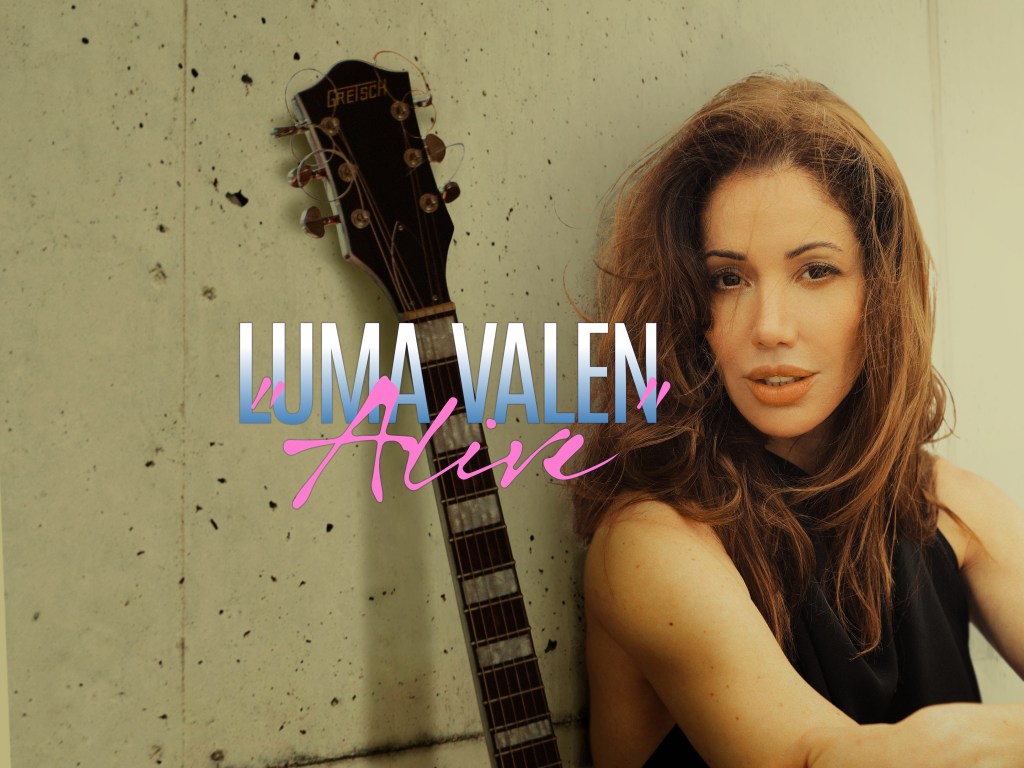
Alive is about friendship, presence, and choosing connection. It’s an uplifting celebration of showing up for one another and a reminder that staying emotionally present with the people who matter most creates powerful human connection.
10. Do you have any memorable moments from working with other artists or producers?
I’ve worked with many creatives over the years, but one moment stands out deeply. While traveling to Los Angeles to meet Humberto for the first time, I wrote Alive on the plane.
Years earlier, when I wrote Love, I had imagined him producing the song. At the time, I even thought it needed to be sung by Celine Dion. I never imagined that one day Humberto would be producing it and that I would be the artist singing it myself.
Working together felt incredibly grounding and meaningful — a full-circle moment that reinforced trust, patience, and honoring the song as it revealed itself.
11. If you could collaborate with any artist, past or present, who would it be and why?
David Bowie and Jim Morrison shaped how I think about art and truth. Today, Coldplay and Selena Gomez inspire me with their ability to connect emotionally on a global scale.
Performance and Fans
14. What do you think is the most rewarding aspect of being a music artist?
Knowing that something deeply personal can elevate and become meaningful to someone else. That exchange is everything.
15. Has fan feedback ever influenced the direction of your music?
Yes — in the sense that it reinforces the importance of staying true to my voice. When people respond to honesty, it encourages me to go even deeper.
I’ve received messages ranging from someone telling me a tear fell the first time they heard the song, to others saying they’ve had it on repeat and feel deeply connected to it. That kind of response reminds me that when music comes from truth, it reaches people in very real ways.
Challenges and Growth
16. What are some of the biggest challenges you have faced in your music career, and how did you overcome them?
One of the biggest challenges was trusting that this path was meant for me and honoring my own timing. Opening myself to something so personal, especially sharing music I had held close for a long time, required real courage.
I learned that alignment matters more than speed. I released the work when it felt truly ready to be received by the world — not when I wanted it to be. There was a larger sense of alignment guiding that timing.
17. How do you balance staying true to your artistry while adapting to trends in the music industry?
I see music as something luxurious and intentional. You don’t replace something timeless for a passing moment. Music, like anything meant to last, is created with care and purpose.
Most of my songs arrive fully formed, with melody, emotion, and structure together. I hear the entire song at once. It’s never about copying what already exists — it’s about receiving what’s next.
My role is to stay true to what comes through me, translate it honestly, and then give it back to the world. Working with Humberto was a natural fit because he truly connected with me and shared my vision. He honored that original inspiration and helped elevate the songs with his own artistry.
18. Is there a particular song or project that pushed you outside your comfort zone creatively?
Sad Eyes did, because it is quiet, honest, and emotionally exposed. That kind of vulnerability is powerful, but it requires trust.
For a long time, I did not want to release the songs that had been given to me. I kept them protected, almost locked away. But eventually they began to call me to share them. It felt like the movie Jumanji — once the board starts calling you to play, you do not really have a choice. You answer.
Personal Reflections
19. What message or legacy do you want to leave behind with your music?
Love heals. Music unites. We are meant to care for one another. I believe music is a shared human experience — a place of hope, presence, and collective feeling.
I want my work to stand for emotional honesty without armor, the courage to feel deeply, and the choice to connect rather than disconnect.
20. Where do you see yourself and your music career in the next five years?
I see myself continuing to build a body of work that feels timeless — music created with intention and depth. I want to expand into live experiences that feel immersive and meaningful, and to create work that connects across mediums.
On a larger scale, I see the music traveling globally and reaching people across cultures and generations. If my work can help create a positive shift in how people feel and connect, that is the era I want to be part of.
21. How do you stay motivated and passionate about creating new music?
By remembering why I started — to tell the truth, to connect, and to create something meaningful beyond myself.
Music healed my heart and gave my body space to breathe again. I believe music carries frequency, and when it is created with intention, it has the power to move, elevate, and heal. That belief is at the core of what I call the Frequency Era.
 CYNX MAGAZINE